
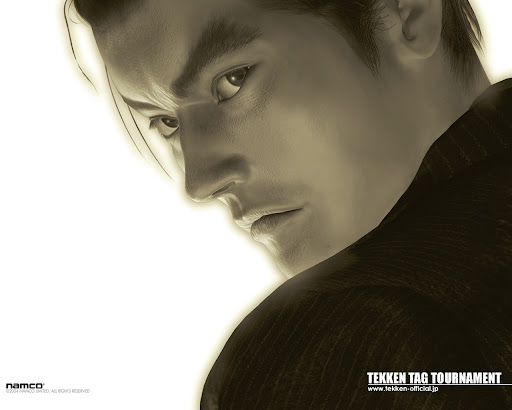
I’m one of those people who loves the idea of getting really into a fighting game, but end up never being great at it. But the closest I’ve come is in three franchises – Injustice, Soul Calibur and, more than any other, Tekken.
Tekken is, for me, 3D fighting at its best. The fluidity and responsiveness, as well as incredible movelists and robustness of Tekken 7, were built on a long legacy; a strong foundation of fighting games that remained consistently fun, even while always building on that strong core. As a break from the horror and experimental titles recently, I’ve been playing a lot of fighting games and platformers as a way to destress after a frankly exhausting couple of years, and also as a way to get back in touch with what I’d consider to be the roots of video games, at least for me.
There’s an earnestness about a good platformer or a good fighting game. When you play a good one, you get a real appreciation for the time it takes to craft and hone a balanced and engaging game. Because it’s not easy, that’s for sure. There are countless little things that make games like this work and feel fun to play. In the case of a fighting game like Tekken, it is the inherent balance between two combatants, the weighing up of your characters’ strengths and weaknesses against your opponents’. Recognizing that your opponent has a longer reach but also takes longer to recover from a missed hit forces you to adjust your playstyle.
The inherent beauty and complexity of fighting games becomes even more pronounced when you add into the equation a second fighter. The feature which might very well just seem a gimmick upon first glance is lent a beautiful depth and complexity by certain combinations of characters being able to pull off special combos, if you’re good enough. So now, mastering just one character isn’t good enough – to get the most out of the game, you want to find a combination that works for you, and master the hell out of them to beat the higher difficulty arcade and time attack modes.
But putting aside the tag element, TTT is a great game, right down to the bones. You know you’ve found a good game when you can look at the very simplest act and find continued pleasure in it. Silent Hill 2’s exploration serves a similar function – it remains compellingly creepy over and over again because it gets that core balance right. Tag Tournament‘s flow is important to its entire identity. While it never reaches the speed of the newer Tekken titles, the fundamental ebb and flow of Tag Tournament’s at times frenzied combat remembers that the fundamentals, rather than the flash, are more important. A solid set of punches landed against a tough AI opponent or another player after practicing them in the training room remains compelling across every good fighting game. It is the same here of course.
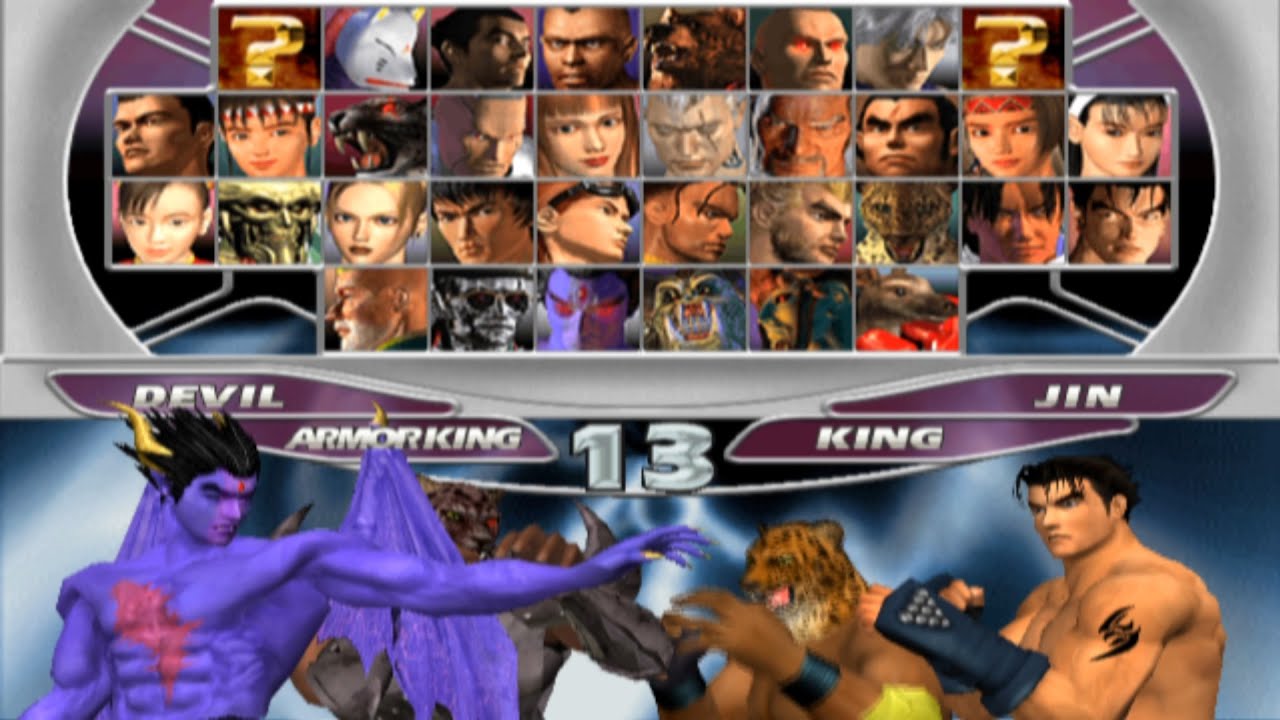
As with every Tekken game, Tag Tournament’s roster is a decent part of the attraction. The variety inherent with each character is given weight by your own personal playstyle. Do you prefer the lumbering bruiser types like True Ogre? Or are you a quick “in-and-out” kind of fighter, striking for small bits and staying on the defensive? There’s something for everyone, and the characters’ complexities become more and more apparent as you play.
I guess what I’m clumsily trying to fumble at is that video games are inherently fascinating. They tend to be the product of entire teams of people, both collaborating on the entire project and working on separate things. So when they come together to be timelessly engaging, when a project manages to radiate the same energy and passion many years on from release; I can’t help but be slightly awed. Tekken Tag Tournament has managed to keep me engaged and interested 21 years on from its original release.
It is the kind of game that inspires a love for the medium, a respect for every little finishing touch that goes into making a game fun and playable. It’s not perfect; some characters are definitely stronger than others, and some moves you swear are a form of cheating. But the flow and movement of the game eventually equalizes most of that. You can experiment, use a toolset you are acquainted with to beat those who are less acquainted with the game, or who underestimated you. Victory in those circumstances is extremely rewarding.
Perhaps it’s just me, but fighting games can be one of the purest expressions about everything that is magical about video games – when everything comes together… well, it’s amazing. Tekken Tag Tournament is therefore well worth playing, years on from release.
Plus, you don’t have to pay extra money for DLC characters.
 Horrorgameanalysis