

See the rest of my You Should Play series here.
The game opens in a small, dingy cockpit. I look around, taking in the grainy surroundings. I guess I’m a pilot… so I mess around with the controls. But then I realize I’ve set us on a collision course. Whoops, I think. How clumsy of me. So I stand up and rifle through a cabinet. There are things missing in here; conspicuous bits of the game’s puzzle that I don’t even really think that much of in the moment. But I still have a look around, and find the key I need to override the autopilot. It doesn’t feel right. A growing sense of unease dawns as I realize just what it is I am expected to do. But still – video games have to be played, right? So I jam the key into the slot – slowly and deliberately – and turn it. Much like the methodical turning of the key in Forbidden Siren or the “will you jump” prompts of Silent Hill, Mouthwashing demands you take each horrible action to continue playing. Here, the interactivity of the video game medium is lit up gorgeously, in all its bloody red colours. So I cause a catastrophe and invite disaster. The rest of the game is unravelling why I would crash my own ship – and realizing the depths of depravity aboard that same vessel.
I feel like everyone has had something to say about the first-person narrative horror game Mouthwashing. As usual, I’m pretty late to the party. But I played through the whole thing in one breathless, impressed sitting. Mouthwashing is a kind of tour-de-force of modern horror game design, which has incredibly efficient pacing. Mouthwashing uses its surreal environment and tightly-scripted dialogue to constantly force you to question the reality of what you are seeing. What is reliable? What is not?
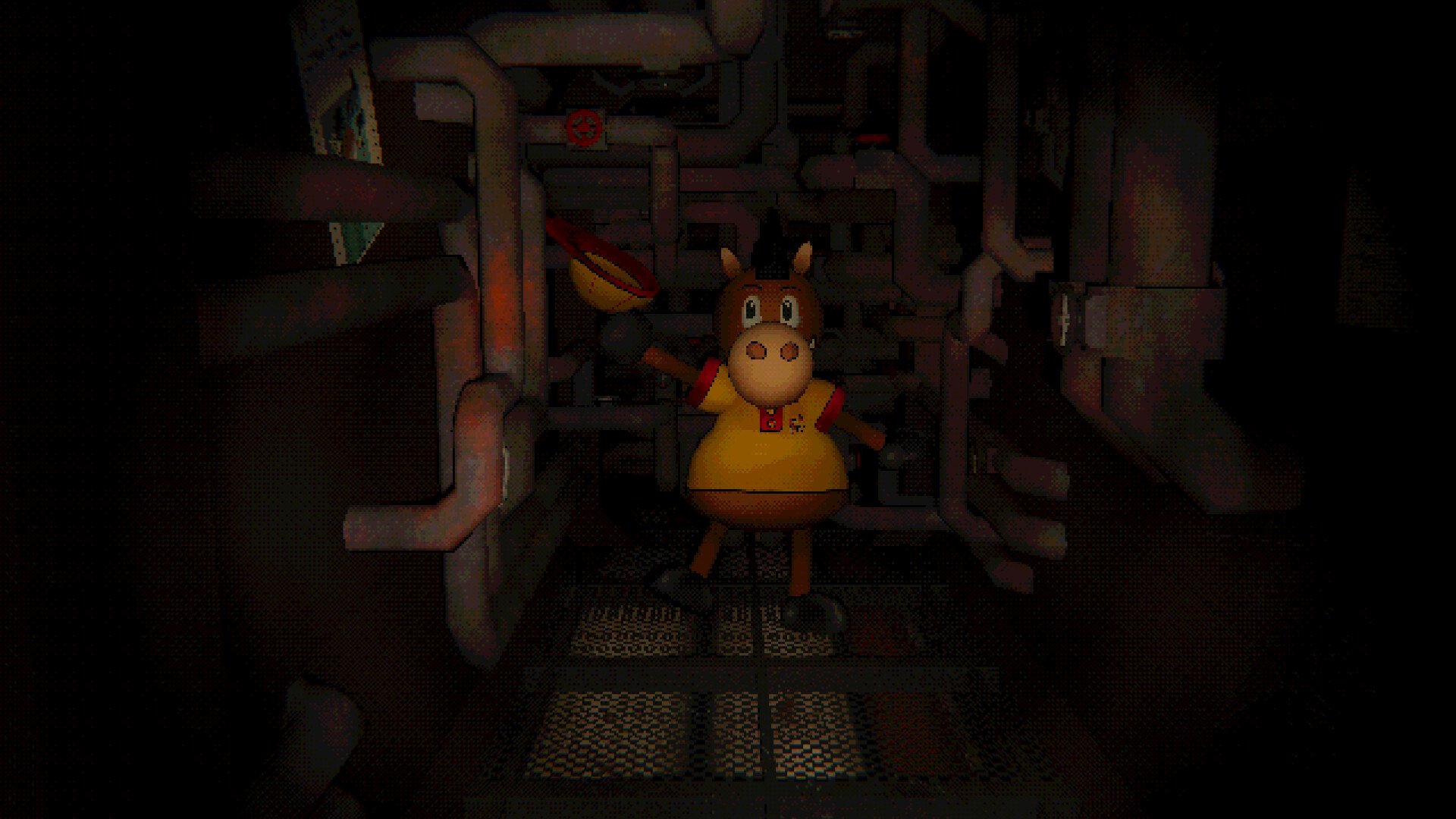
The nonlinear temporality of the narrative makes the player put in more work to figure out what happened, while also keeping them on the hook. What I respect about Mouthwashing is its own esteem for the player’s intelligence. There was never a moment where everything was spelled out plainly. While the story isn’t hard to grasp by the end, the moments of symbolism scattered throughout surreal visions still give the individual character beats additional nuance. The game’s writing shines throughout, and the exploration of the ship and its decaying state makes flashbacks and flashforwards even more confusing.
I love the ship itself as a character. It consists of nothing but a few small rooms and a long, circular hallway and some staircases, but every part of it feels like home. A claustrophobic, crushing home, slowly slipping into ruin. As the damage of people’s minds compound onto the physical damage caused by the crash, the ship becomes physically repulsive, a disgusting mess of textures and red warning lights. The posters and advertisements around take on a grimly ironic tone, and everything just feels too much. It is the kind of crushing claustrophobia that was present in a game like Lost in Vivo. But where Lost in Vivo emphasized combat, Mouthwashing emphasizes narrative. Everything is subordinate to narrative in Mouthwashing, and yet it uses simple gameplay (broken up by a few different sequences where alternate mechanics are required) to keep you hooked on learning more. Making you complicit. As you explore the ship with your scanner, looking for codes to open doors (or bake cakes), you are drawing yourself deeper into a world that really feels like it should not be explored. Why can’t you just leave well enough alone? Haven’t you done enough? Why can’t you just take responsibility for what you did in the first place? The game prompts these questions and does interesting things with character alignment and perspective shifting. Who you identify with calls into question what you believe the situation to be. As this shifts over and over again through the narrative, you wonder – who am I?
Put into a tense mental state, a player is forced to make awful decisions, and is compelled by the singular route through the game to see what it all leads to. As things spiral further and further out of control, you can’t take your eyes away. Moments of levity are the sparks needed to keep going, even when the story becomes darker and more gruesome than you would expect. Rather than emphasizing imaginary monsters, Mouthwashing leverages crushing societal expectations, capitalist / neoliberal greed, and just plain old toxic masculinity to concoct a surreal horror narrative far more compelling than many other cookie-cutter horror experiences I have played before.
To say much more would be to spoil the game. It is short, but I can think of nothing really to add or remove. Every part does its job wonderfully. If you needed any more effusive praise, I played it all in a single sitting. Few games have quite that effect on me, to keep me hooked right from tense, uncertain beginning to oh-so harrowing end. So yes, you should play Mouthwashing.
You can buy Mouthwashing from Steam.
 Horrorgameanalysis
mouthwashing had a great emotional impact on me, one of the greatest experienced in gaming i’ve ever had. first-time playing was UNFORGETTABLE! replayed it few times and still tend to miss it dearly every few weeks. it’s so worth the clout it got
LikeLiked by 1 person
Definitely! I was taken aback by just how good it was, given that a lot of indie horror sensations sometimes don’t quite hit the way everyone says they do. But I finished Mouthwashing in a single sitting and I was just blown away by how meticulously it was put together in the end… incredible game with an incredible narrative.
LikeLike