
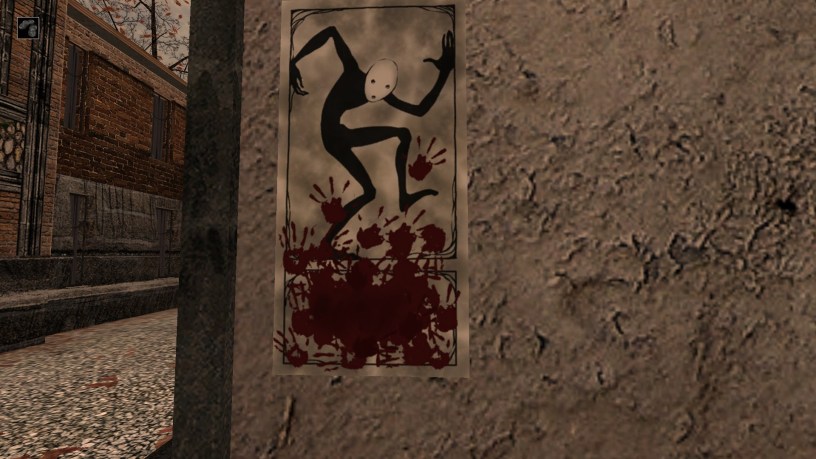
Having just been playing and somewhat punishing myself through the repetition, depression and brutality of Pathologic Classic HD, I began to wonder if I really was enjoying myself.
The first few hours of the game were a delight as I explored a new, fresh world with an underlying, dark mystery and an unassailable enemy, the kind of thing that I had always wanted to play. But as I continued on, things began to get punishing. Not in the way that many games do, as enemies gain more and more hitpoints and they are a greater variety of enemies to fight and defeat, but rather in a more obtuse way: the game started to get to me.
It was quite strange to come to the realisation that I didn’t find this game fun anymore, but I was still dedicated to playing it. In the end, as I continued (and continue to) play Pathologic, I play it for the experience, for the way that it makes me feel and the narrative underlying the game mechanics, rather than how fun the game is.
Most games are dedicated, in the end, to being fun.
Pathologic is a rare game in that it’s not fun: the word game in itself evokes in the mind the kind of things that involve playability, happiness, a good time: ‘games’ aren’t meant to be taken seriously. ‘Oh, it’s just a game’, you might hear people say.
That trivializes the power that interactive media has: you, as the consumer, have the ability to shape and affect the actors/characters in the game and to provide your own interpretation of the story in the way that no other media can, because in the end, if you want to expand on a movie or game’s narrative and how it affected you, you have to either discuss it with other people (which is still, if you can find a good person to talk about it with, a great experience) or you have to try and mull it through in your own mind.
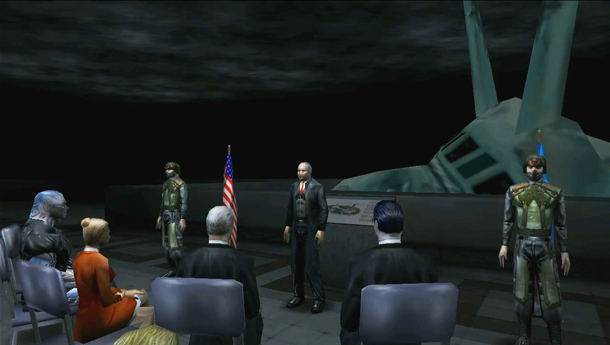
But while you are in a video game, you are the character who is suffering, you are the character who is loving, you are the character who is discovering the meaning that life has to him, and in that way, you might also have a new lease on life from such an interactive experience, because you are that person: you can change the story depending on your interpretation of the character. In a well made game, such as the original Deus Ex, if you think the character is a heartless bastard who hates terrorism, you can pick up a flamethrower or a sniper rifle and gun down everyone. If you think he might be a little bit more of a pacifist like his brother, you can go down that path too. You can change the game depending on how you interpret it.
So now that we understand the potential of video game storytelling, we can begin to dive a little bit more into the realm of what makes a game fun. For everyone, this varies a little bit. In the end, Pathologic has this aspect of it that makes it fun for me: the story and the atmosphere draw me in and make it worth playing. But most games have a selection of solid, smooth gameplay, visually appealing graphics and a good story that keeps the gamer interested in continuing to play even when the gameplay might get repetitive.
So we have to ask: why are games fun? Some movies are depressing, other movies make us question our own morals and what we are willing to accept as a society: they aren’t the kind of movies you’d watch again just having finished it, not movies you’d crack open another beer/assorted beverage and have a laugh with your friends about or whatever stereotypical image might pop into your mind.
Games, though, are a young medium, and the consumers of games are, at least judging from the vitriol that is spewed through the internet, are young or at the very least uncaring, about the people who make games or even about life as a whole. My apologies if I have indeed generalised: I hate generalising but perhaps in this circumstance it is easier to do so just for the sake of streamlining the argument. I am aware that by far not all gamers are toxic or unwilling to open their minds; in fact many gaming communities are great places to share ideas and so forth.
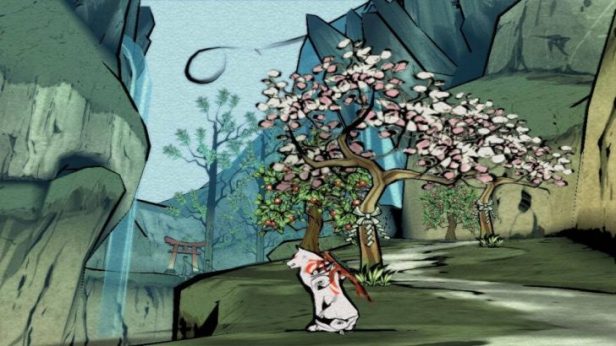
Many, in fact, a respectable amount of gamers, are expressive, willing to open their minds to new thoughts and new methods of thinking, though the majority are still interested in sitting down to play a game that is more fun than anything. And that’s fine: just like films, the majority of people prefer action blockbusters to a thoughtful slog through a world that the protagonists don’t understand until it all clicks… or does it?
Games, then are not at all expected to tackle the kinds of stuff that games like Pathologic present: the simple brutality, the un-fun of it all. It’s the kind of game that most people aren’t expected, or destined, to like. You can often look at a player and determine: “No, they wouldn’t like Pathologic.” So what makes it appealing? What makes me, and others, recommend the fact that games shouldn’t be fun?
Like all forms of media, we need diversity in our storytelling and the way we interact with our world. If all games are just mindless clones, Call of Duty or Candy Crush duplicates, then we fail to realise the true potential that games should have. Games, like real life, should reflect sadness as well as happiness. They should capture the despair of failure followed by the soaring heights of success. They should symbolise the way a heart breaks, followed by the pain and the happiness that occurs in your heart as you fall in love again.
Not all games should be ‘un-fun’ or should strive to include this kind of story content. There will always be a place in the industry for a mindless shoot-em-up. But when we really take a step back and look at what games could be, are we really happy playing another triple A rehash of a game you’ve played five times already? Or would you rather play something new and fresh and exciting that challenges not only your skills as a gamer, but your mind, heart and soul as a human being?
 Horrorgameanalysis