
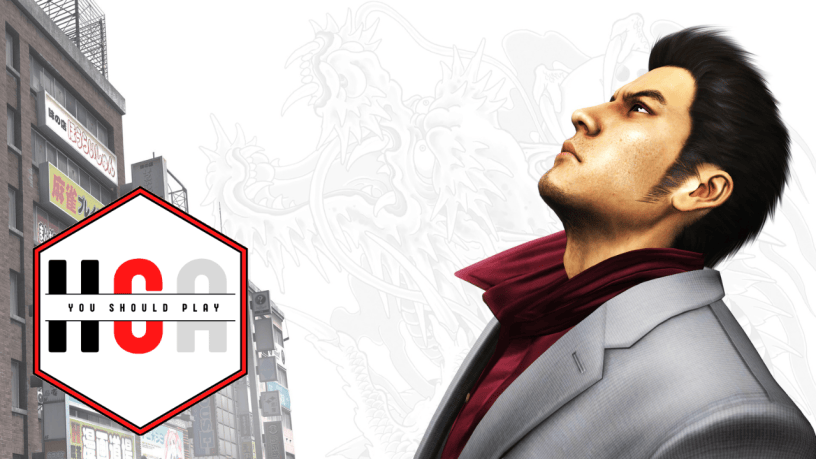
The following article spoils parts of Yakuza 3.
I can tell you, it was strange to have an epiphany about who I want to be to the ending of Yakuza 3 Remastered, of all things. But it does make sense, given the series’ insistent endorsement of humanity. The continued support of kindness and goodwill.
By this point in the series, having played through in chronological order, I have been with Kiryu for four games – Yakuza 0, Yakuza Kiwami, Yakuza 2, and now Yakuza 3. And it is in Yakuza 3 that Kiryu matures into a character to truly stand by. He was of course easily lovable before, but there is something profound about his character in this game. It is clear in the ending conflict of the game, where Kiryu encounters a dark reflection of himself, who has done horrible things through the course of the story. Instead of abandoning him, of treating his opponent like a monster, there is a sense that the game’s final battle is more about Kiryu saving his opponent’s soul. About proving to him that people aren’t inherently bad, that relationships don’t always have to end in betrayal.
The game’s themes continue to resonate at a time where I find it increasingly difficult to not only recognize myself and who I want to be, but at a time where the world feels more and more uncertain. Yakuza 3 continued to remind me about the power of stories, and encouraged me to maintain relationships that meant a lot to me. To fight for them, tooth and nail, and to show people that humanity is worth it.
What hit me the hardest was a line in the final cutscene that I recognized in myself – The truth of it is… I don’t deserve to live, one character says. For whatever reason, such a statement cut to my core. I recognized it because I once lived it, and very occasionally, I still do. But while I’ve been playing through Yakuza 3 over the course of about six months (I haven’t had much free time whatsoever), I’ve been coming to terms with the person I am. The person who I was perhaps quietly pressured into not being. A lot of the stress I’ve felt this year may have been a result of my own queerness going underrepresented. I am indeed proudly queer and I have been for many years now. But that did not reflect the way in which I wanted to express my gender identity. The endlessly complicated specifics of my gender is still something I’m figuring out – but, even as the words I don’t deserve to live still reverberated through my mind, Kiryu refutes them in the ending cutscene. “As long as you believe in something, and have the will to start fresh,” he says. Even as the character he is saying this to refutes him in turn, and tries to kill him, Kiryu nonetheless holds true to his values even as he is in mortal danger. He says “even in your final moments… you can still learn to believe in someone.”
So the question Yakuza 3 raised to me was simple – do you believe in yourself? In a world filled with people who would restrict, deny, or judge me, Yakuza 3 came into my life at exactly the right time. It is admittedly a game that many people now call dated. Its combat is definitely not as fun as the other games in the series if you played it through chronologically up until this point, but it still provides the satisfaction of playing as the indefatigable Kiryu. Once you get out of the first few chapters and get some upgrades under your belt, it becomes a lot of fun once more. The minigames are generally less refined and less engaging than in previous entries, though there are still countless fun and interesting substories to keep you entertained alongside the tense and emotional main story. For all the complaints about the game being “slow”, it is the moments where Kiryu is dealing with the seemingly petty problems of the children at his orphanage that meant the most to me.
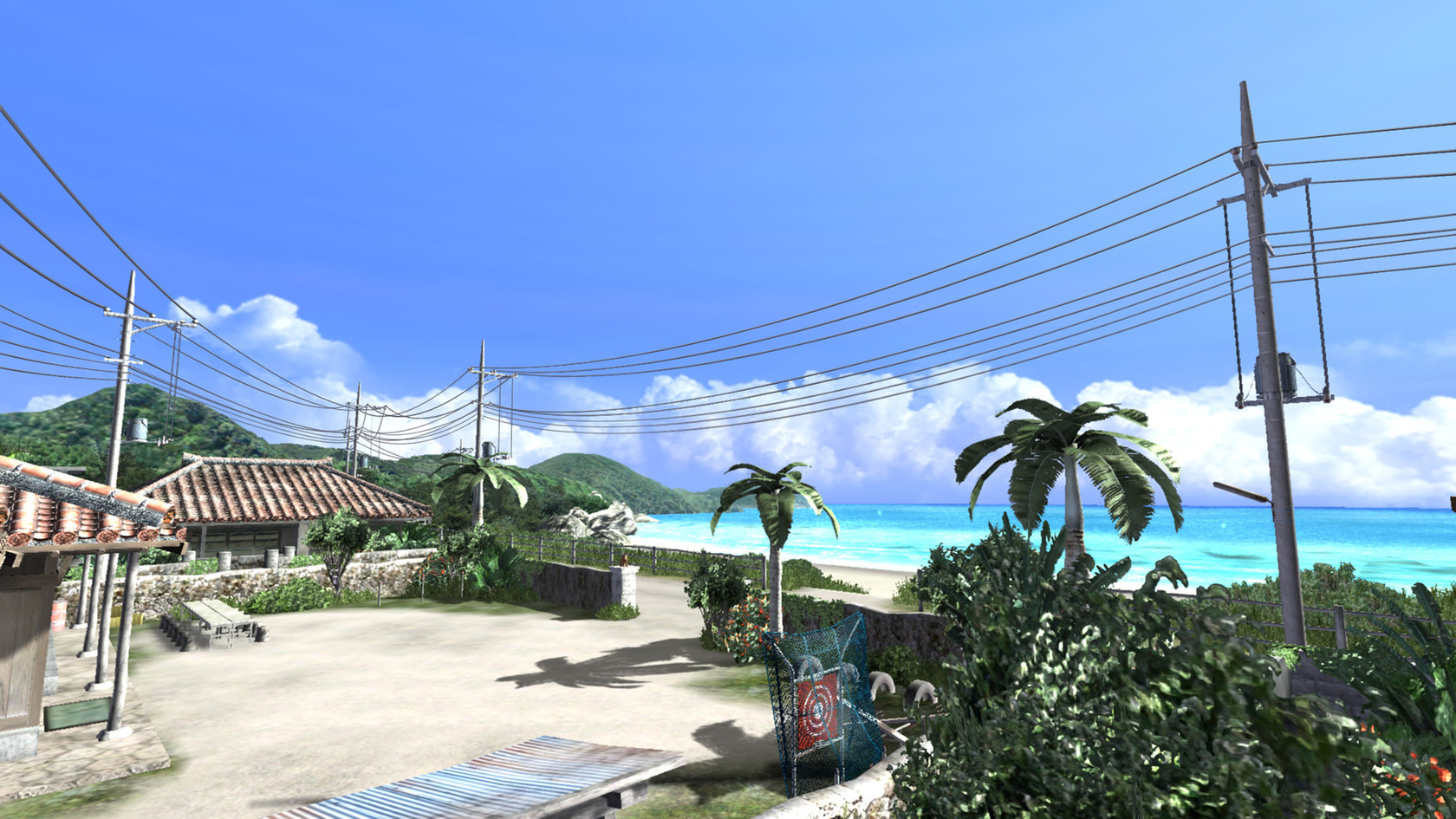
For those of you that are familiar with me, I am a fan of games that allow for slow play. Moments like wandering along an Okinawan beach, or waiting at the crossing for the stream of cars to temporarily halt allow for the player to get in touch with themselves. Even while we are playing a game, we are given the opportunity to stop and think. To breathe. Even in a game like Yakuza 3, where we fight through the streets of Okinawa and clear entire buildings of yakuza thugs with just one man, we are given space to relax. Video games are a spatial medium, after all (Gazzard, 2011). The spaces that the Yakuza series provides are often more valuable because of the amount of time you get to spend there. The market in Okinawa is a favourite of mine now. I love all the little shops and alleys you can traverse. Even if it’s not very much in the grand scheme of things, it feels tangible. Not to mention that revisiting Kamurocho in every game is now like seeing an old friend. When characters reference street names, I can now head to them without opening my map. It feels like I have lived here over and over again.
Yakuza 3 also has a stupendous soundtrack, and for me returns to the dizzying heights of Yakuza 0‘s. While I loved the soundtracks of 1 and 2 and Kiwami / Kiwami 2, there’s just something about Yakuza 3’s soundtrack that really appeals to me. How can you beat the phenomenal adrenalin shot called Fly, or the street combat theme Bruise, or the stupendous bop that is D2A? I have been doing a lot of writing to the soundtrack, but D2A especially resonates right now for some reason. Perhaps it is just that manic time of year. But then there’s also Clay Doll on the Cradle, which is one of the best battle themes thus far in the franchise, and Sounds Storm, not to mention Illtreatment, oh, and who could forget the legitimately transcendent Lyricism Without Tears? Yakuza 3 has one of the best video game soundtracks I’ve ever listened to, I think, accompanied by a story that made me tear up more than once, and laugh lots too. Even if you never play the game (but you should play it), the soundtrack deserves your attention. Especially all the tracks I’ve linked there. But there were plenty of others I could have included. I’ll sit around hoping for a vinyl release, because I’d snap that up so fast.
It always frustrates me to hear people discount Yakuza 3 (even before I played it) because I had hope the game would be good. But after having played it, while I understand people’s frustration at how much opponents can block in the remastered version, it’s just fun. The whole way through, basically. When combat opens back up, you get back to feeling pretty unstoppable pretty fast. You just need to slow down and enjoy the moments that let you learn more about the combat system. And while not everyone has the time for that – something I definitely appreciate, given how long it took me to beat the game – it’s worth taking the time. A sense of mastery over the combat system is its own reward – even if I will have to relearn certain intricacies in the next game. That’s fine – it keeps me on my toes!
Yakuza 3 is such a meaningful game to me. Even if the gameplay isn’t as refined as other games in the series, it is still Yakuza to the core. It is still an emotional journey through the complex underworld and still relentless fun. It never seems to get old picking fights with random people in the street and testing out my moves on them. I remain confused by people’s dislike for the feature… I suppose I am just exactly the kind of player who luxuriates in poking and prodding the systems.
I generally resist a power fantasy video game, and yet Yakuza does kind of channel the power fantasy aspect of many other games. But they’ve become some of my all time favourites. In Yakuza you tend to play an unstoppable character that everyone looks up to (or absolutely despises, which is a good indicator of their nature) – but Kiryu is different from many other power fantasy characters. He’s constantly fallible, he feels guilt, and he isn’t always strong enough. At many moments in the story, Kiryu doesn’t always do what you want him to do. He doesn’t always make the smart decision. And it can cost him a lot. But whatever happens, though, Kiryu retains his compassion. His belief in humanity, and in others, stays firm. His character has the kind of soul I want to believe I have.
Whoever it is I discover that I am, and however long it takes me to get there, I know that it is the power of stories that helped me achieve the courage to be myself. For those who devalue the importance of language or stories, who do not believe that video games can change the world – think about how they can change people. Think about the lessons they can impart, the impact they can have on just one person. I recognize myself in each and every Yakuza game, thanks to the sheer humanity they have on offer. But somehow, it was Yakuza 3 that made all my recent thoughts crystallize and click into place.
Not only are other people worth fighting for, but so am I.
 Horrorgameanalysis